
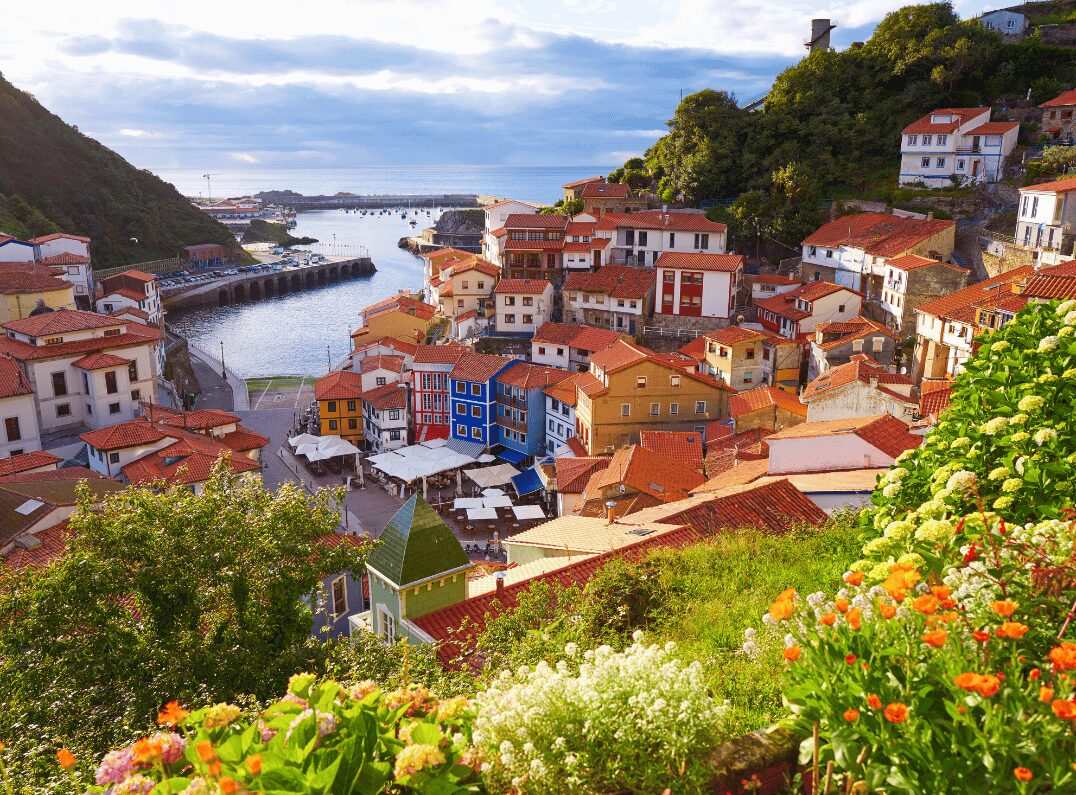
Asturias, a stunning region in northern Spain, is renowned for its lush green landscapes, rugged coastline, and rich cultural heritage. Often referred to as “España Verde” (Green Spain), Asturias offers a unique blend of natural beauty, historic sites, and outdoor activities that attract travelers seeking both adventure and relaxation. From its majestic mountains to its charming coastal towns, Asturias is a perfect destination for nature lovers and history enthusiasts alike.
The region’s distinct identity is deeply rooted in its traditions, cuisine, and folklore. Whether you’re exploring the ancient caves with prehistoric art, hiking through the Picos de Europa, or savoring the local delicacies like cider and fabada, Asturias promises an unforgettable experience that connects visitors with the authentic spirit of Spain.
For those looking for a closer experience with nature and an alternative to conventional accommodations, Kampaoh offers the opportunity to stay in fully equipped lodgings, with capacity for up to 6 people, ideal for families, groups of friends, or couples. Discover more about our camping and glamping in Asturias.
1. Explore the Picos de Europa National Park
The Picos de Europa National Park is one of Spain’s most spectacular natural reserves, offering a stunning landscape of jagged peaks, deep gorges, and verdant valleys. Hiking enthusiasts will find a network of trails ranging from easy walks to challenging climbs. One of the most popular routes is the Cares Gorge (Ruta del Cares), a breathtaking path that runs along a narrow gorge, offering incredible views of the surrounding mountains. For those less inclined to hike, the Fuente Dé cable car provides easy access to the high peaks, where you can enjoy panoramic views of the park.
2. Visit the Lakes of Covadonga
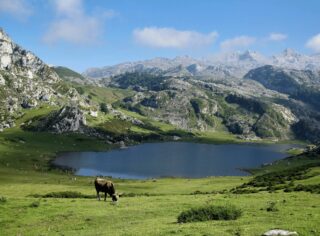
The Lakes of Covadonga, Enol and Ercina, are two glacial lakes located within the Picos de Europa. This area is not only a natural wonder but also a place of deep cultural significance. Near the lakes, you’ll find the Basilica of Santa María la Real de Covadonga and the Holy Cave, where the Virgin of Covadonga is venerated. The lakes are surrounded by lush meadows and dramatic peaks, making it a perfect spot for hiking, picnicking, and taking in the breathtaking scenery. The area is also the starting point for several trails that lead deeper into the Picos de Europa.
3. Stroll Through the Fishing Village of Cudillero
Cudillero is one of Asturias’ most picturesque fishing villages, known for its colorful houses that cascade down the hillside to the sea. A stroll through the narrow streets will lead you to charming viewpoints, fresh seafood restaurants, and a vibrant harbor. The village’s unique layout and stunning coastal scenery make it a photographer’s paradise. For a more immersive experience, hike up to the Mirador de la Garita-Atalaya for panoramic views of the village and the Cantabrian Sea.
4. Tour the Prehistoric Cave Paintings of Tito Bustillo
Asturias is home to some of the most significant prehistoric sites in Europe, and the Tito Bustillo Cave is one of its crown jewels. Discovered in 1968, the cave contains impressive Paleolithic art, including paintings of animals, abstract symbols, and human figures dating back over 14,000 years. The site is a UNESCO World Heritage site and offers guided tours that delve into the history and significance of these ancient artworks. The nearby Centro de Arte Rupestre de Tito Bustillo provides additional context and exhibits related to prehistoric life.
5. Relax on the Beaches of the Costa Verde
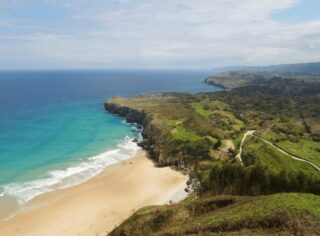
The Costa Verde, or Green Coast, is a stretch of Asturias’ coastline known for its pristine beaches, dramatic cliffs, and hidden coves. Playa del Silencio, with its stunning turquoise waters and secluded location, is one of the most beautiful beaches in the region. Another must-visit is Playa de Gulpiyuri, a unique inland beach formed by a sinkhole, which is only accessible by foot. The beaches of Asturias are less crowded than those in other parts of Spain, offering a peaceful retreat for sunbathing, swimming, and enjoying the natural surroundings.
6. Experience the Asturian Sidra Culture
Asturias is famous for its cider, or sidra, which plays a central role in the region’s culture. Visiting a traditional sidrería (cider house) is a must for anyone coming to Asturias. Here, you can witness the unique pouring technique known as “escanciar,” where the cider is poured from a great height to aerate it before drinking. Pair your cider with traditional Asturian dishes like fabada (a hearty bean stew) or cabrales cheese. The Cider Museum in Nava offers an in-depth look at the history and production of Asturian cider.
7. Walk the Senda del Oso
The Senda del Oso (Bear’s Path) is one of Asturias’ most popular cycling and walking routes. This scenic trail follows the route of an old mining railway through lush forests, dramatic gorges, and picturesque villages. The path is relatively flat, making it accessible for all levels of fitness. Along the way, you might spot some of the region’s famous bears, which the trail is named after, especially at the bear enclosure near the village of Proaza. Biking the Senda del Oso is a fantastic way to immerse yourself in the natural beauty of Asturias.
8. Explore the Romanesque Churches of Asturias
Asturias is home to a wealth of Romanesque and Pre-Romanesque churches that reflect the region’s historical significance as one of the last bastions of Christian rule during the Moorish occupation of Spain. The churches of Santa María del Naranco and San Miguel de Lillo, both located near Oviedo, are UNESCO World Heritage sites and prime examples of Asturian Pre-Romanesque architecture. These churches are set against the backdrop of the lush Asturian countryside, making them not only historically significant but also incredibly picturesque.
9. Attend the Descent of the Sella (Descenso del Sella)
The Descent of the Sella is one of Asturias’ most famous festivals, held annually on the first Saturday of August. This exciting canoe race starts in the town of Arriondas and follows the Sella River down to Ribadesella, attracting participants and spectators from all over the world. The event is not just about the race; it’s a lively celebration filled with music, dancing, and plenty of local food and drink. Even if you’re not competing, the festive atmosphere and beautiful river scenery make it a memorable experience.
10. Discover the Historic City of Oviedo
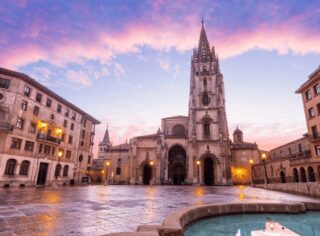
Oviedo, the capital of Asturias, is a city rich in history and culture. The city’s old town is a treasure trove of medieval architecture, cobblestone streets, and lively squares. Don’t miss the Cathedral of San Salvador, a Gothic masterpiece that houses the Cámara Santa, a UNESCO World Heritage site with a stunning collection of medieval relics. Oviedo is also famous for its statues scattered throughout the city, including the iconic statue of Woody Allen, a nod to the filmmaker’s love for the city. Be sure to visit the bustling Mercado El Fontán to experience the local food culture.
Asturias offers a rich tapestry of experiences, from its rugged natural landscapes to its vibrant cultural traditions. Whether you’re hiking in the mountains, exploring ancient caves, or relaxing on a beach, Asturias invites you to discover the heart of Green Spain.


